
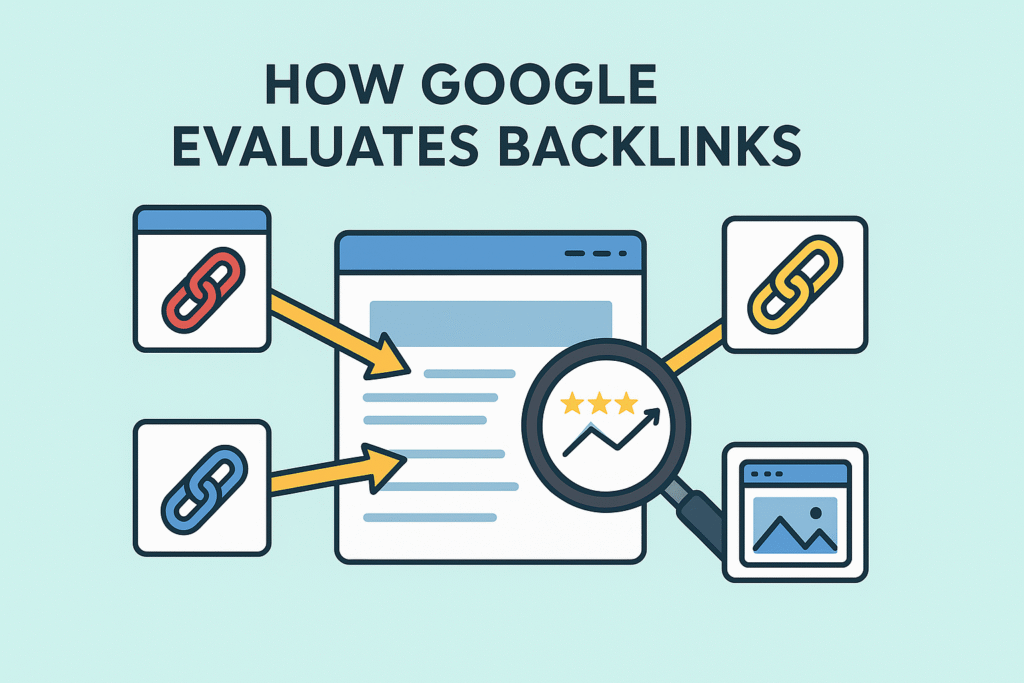
Backlinks, or links from other websites pointing to your site, remain one of the most important SEO signals. But not all backlinks are equal. Google evaluates them based on quality, relevance, context, and the authority of the linking site. Understanding how Google sees backlinks will help you build a stronger, more effective SEO strategy.
1. Authority and Trustworthiness
Google looks at how authoritative and trustworthy the linking site is. High-quality websites that already have good traffic, strong content, and a clean history pass more value through their types of backlinks.
Low-quality or spammy sites may give backlinks that have little or even negative value. Always aim for links from trusted sources.
2. Relevance and Context
It’s not just about authority. Google also checks whether the linking page is relevant to your content.
- If your site focuses on SEO or link-building strategy, backlinks from SEO blogs, marketing sites, or related niches carry the most weight.
- Irrelevant backlinks, like links from a cooking or fashion blog, are less valuable.
3. Anchor Text and Placement
The words you use as anchor text tell Google what the linked page is about. Natural, descriptive anchor text works best. Avoid spammy or overly optimized phrases.
- Links placed within the main content are more valuable than those in footers, sidebars, or comments.
4. Diversity and a Natural Link Profile
A healthy backlink profile includes links from different domains and types of websites. This shows Google that your backlinks are organic and earned naturally.
- A sudden spike of low-quality links may trigger spam warnings.
- Natural growth over time is rewarded.
5. Page and Domain Quality
Google also looks at the quality of the specific page linking to you.
- Pages with good traffic, engagement, and strong content provide better backlinks.
- Links from pages with little content, no indexing, or spammy behavior carry low value.
6. Editorial and Ethical Link Building
Paid links, link farms, and automated link networks are no longer effective. Google can detect unnatural link patterns.
- Backlinks earned naturally through guest posts, outreach, or high-quality content have the highest impact.
- Editorially placed links in context are preferred over artificially created ones.
Conclusion
Backlinks are more than just links; they are signals of trust, relevance, and authority.
To build effective backlinks:
- Focus on quality over quantity
- Target relevant and authoritative websites
- Use natural anchor text and place links in content
- Maintain a diverse and organic backlink profile
Contact us to solve your every problem about SEO and link-building.